Close Menu
  • Home
  • Start Here
  • About
  • Guides
    • Security Cameras
    • DIY Alarm Systems
    • Smart Locks
    • Video Doorbells
    • Smart Home Security
    • Buying & Setup Guides
  • Contact

Build Your Security Plan

Practical DIY guidance for U.S. homeowners and renters.

Start with the checklist
Start Here

Self-Monitoring vs. Professional Monitoring: How to Choose

Home Security Costs: Build a Three-Year DIY Budget

Renter-Friendly Home Security: Plan a Portable DIY Setup

Facebook X (Twitter) Instagram
  • Home
  • Start Here
  • About
  • Guides
    • Security Cameras
    • DIY Alarm Systems
    • Smart Locks
    • Video Doorbells
    • Smart Home Security
    • Buying & Setup Guides
  • Contact
Facebook X (Twitter) Instagram Pinterest
MARTIN GUARD
Start Here
HOT TOPICS
  • Start Here
  • Security Cameras
  • DIY Alarm Systems
  • All Guides
MARTIN GUARD
You are at:Home»DIY Alarm Systems»How to Reduce False Alarms in a DIY Security System
DIY Alarm Systems

How to Reduce False Alarms in a DIY Security System

bmichartBy bmichartNovember 6, 2026002 Mins Read
Share Facebook Twitter Pinterest LinkedIn Tumblr Email
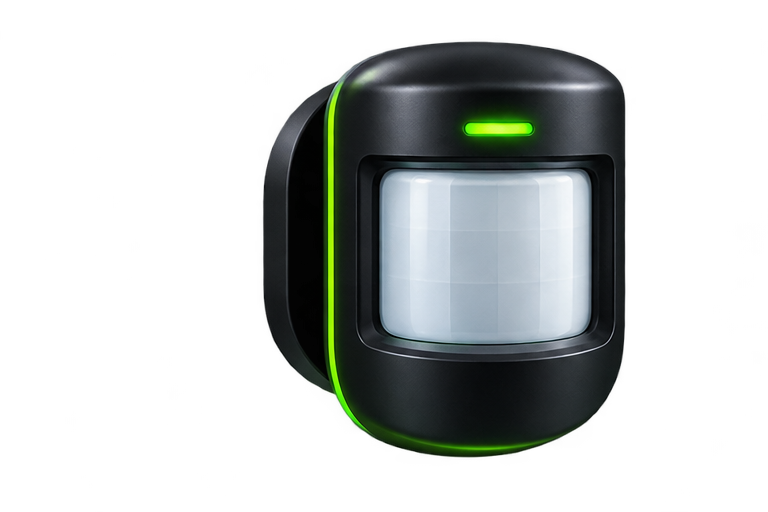
Illustration of a home security motion sensor
Illustrative artwork; not a photograph of a tested product.
Share
Facebook Twitter LinkedIn Pinterest Email

Repeated false alarms make a system harder to trust. Start with the event history: identify the exact sensor, time, and arming mode before changing settings. A motion alert from a camera is different from an intrusion alarm sent by the alarm hub, so troubleshoot the device that actually triggered.

Check the most common causes

PatternCheck first
Alarm immediately after arrivingEntry delay, correct entry door, disarming routine
Same contact sensor repeatedlyLoose adhesive, alignment, battery, frame movement
Motion alarms with pets at homeModel guidance, mounting angle, pets reaching furniture
Unexpected user activityShared codes, schedules, app access, automations

Fix placement before reducing sensitivity

A motion detector near a heat source, moving curtain, or direct sunlight may behave differently from one installed in the recommended position. Follow the model’s instructions. “Pet immune” is conditional; it does not mean every animal, mounting height, or room layout is safe from false triggers.

Make arming modes easy to understand

Explain which sensors are active in home, away, or night modes. A motion detector in a hallway may be appropriate when everyone is out but inconvenient when someone gets up at night. Set modes intentionally and test the expected behavior. Avoid permanently bypassing a troublesome entry sensor without addressing the fault.

Practice with the household

Give each authorized person a clear arrival and departure routine. Check whether guest codes expire, whether a cleaner knows the alarm procedure, and whether automatic arming could run while someone is home. Keep the monitoring provider’s verification procedure accessible to authorized household members.

Test safely and keep a record

For professionally monitored systems, contact the provider and use its test process before triggering sensors. Change one thing at a time, then repeat the same test. Keep a short log of the device, adjustment, and result. If a device remains unreliable, ask the manufacturer about replacement rather than accepting repeated failures.

Alarm permit rules and consequences for false dispatch vary by jurisdiction. Check with your local authority and provider. For setup basics, review entry sensor installation and our monitoring guide.

Share. Facebook Twitter Pinterest LinkedIn Tumblr Email
Previous ArticleHow to Install Door and Window Sensors Correctly
Next Article Smart Lock Buying Guide: Fit, Access, and Everyday Reliability
bmichart
  • Website

Related Posts

How to Install Door and Window Sensors Correctly

November 6, 2026

DIY Alarm Systems: A Practical Starter Guide

November 6, 2026
Add A Comment
Leave A Reply Cancel Reply

Start Your DIY Security Plan

Choose practical protection for your home, budget, and everyday routine.

Read the checklist

Essential Security Guides

Self-Monitoring vs. Professional Monitoring: How to Choose

November 6, 2026

Home Security Costs: Build a Three-Year DIY Budget

November 6, 2026

Renter-Friendly Home Security: Plan a Portable DIY Setup

November 6, 2026
Latest Security Guides

Self-Monitoring vs. Professional Monitoring: How to Choose

By bmichartNovember 6, 2026

Home Security Costs: Build a Three-Year DIY Budget

By bmichartNovember 6, 2026

Renter-Friendly Home Security: Plan a Portable DIY Setup

By bmichartNovember 6, 2026

Build Your Security Plan

Practical DIY guidance for U.S. homeowners and renters.

Start with the checklist

Questions or Corrections?

Email info@martinguard.com. Include the guide URL and keep passwords and access codes private.

Security Planning

Self-Monitoring vs. Professional Monitoring: How to Choose

November 6, 2026

Home Security Costs: Build a Three-Year DIY Budget

November 6, 2026

Renter-Friendly Home Security: Plan a Portable DIY Setup

November 6, 2026
Latest DIY Guides

Self-Monitoring vs. Professional Monitoring: How to Choose

Home Security Costs: Build a Three-Year DIY Budget

Renter-Friendly Home Security: Plan a Portable DIY Setup

Build Your Security Plan

Practical DIY guidance for U.S. homeowners and renters.

Start with the checklist
© 2026 MARTIN GUARD. DIY Home Security Guides.
  • About
  • Editorial Policy
  • Affiliate Disclosure
  • Privacy Policy
  • Contact

Type above and press Enter to search. Press Esc to cancel.