
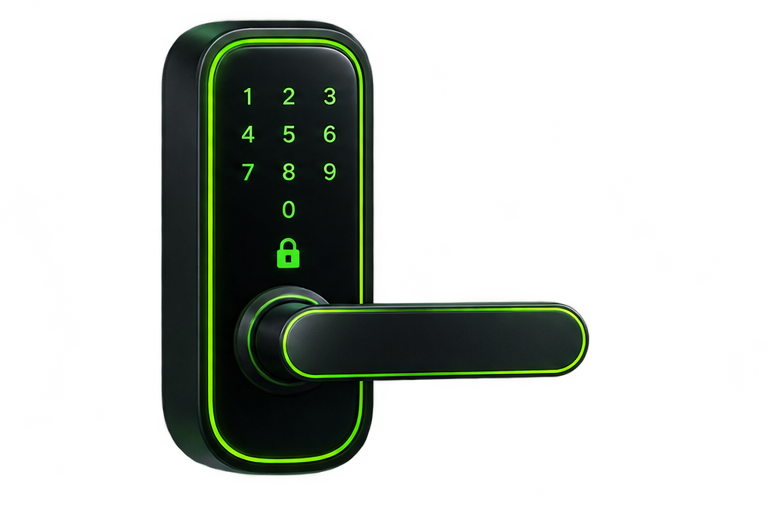
Smart lock access is easier to manage when each person has only the access they need. Use individual codes or invitations where supported instead of sharing one permanent code with family, contractors, and occasional visitors.
Separate owners, household members, and guests
Keep administrator privileges limited to people who maintain the system. A guest who only needs to enter the front door generally does not need access to cameras, account recovery, or every device in the home. Review what an app invitation actually grants before sending it.
Choose the right code duration
- Household member: an individual code that can be revoked independently.
- One-time visitor: a single-use code if the model supports it, or a short scheduled window.
- Recurring helper: access limited to the agreed days and times.
- Temporary stay: a defined start and end date, checked before arrival.
Features vary by model and plan. A code schedule may be stored on the lock or require a connection to update. Verify that a newly revoked code no longer works at the door rather than assuming the app change has reached the device.
Do not overlook the alarm
A door code may unlock the door without disarming the alarm. Explain the arrival routine and provide a separate authorized alarm code where needed. Avoid connecting unlock and disarm automations until you understand the security tradeoff and have tested them.
Review access after a change
Remove expired invitations, revoke unneeded codes, and inspect access logs when something unexpected occurs. If a phone is lost, use the vendor’s account controls to revoke sessions and review the phone’s own security options. Preserve a safe backup entry method so account recovery does not lock everyone out.
Do not publish keypad codes or screenshots that reveal device addresses or schedules. Keep recovery codes separate from the phone that controls the lock.
For hardware checks, read the smart lock buying guide. For the rest of the household’s connected devices, see account security for smart homes.
